
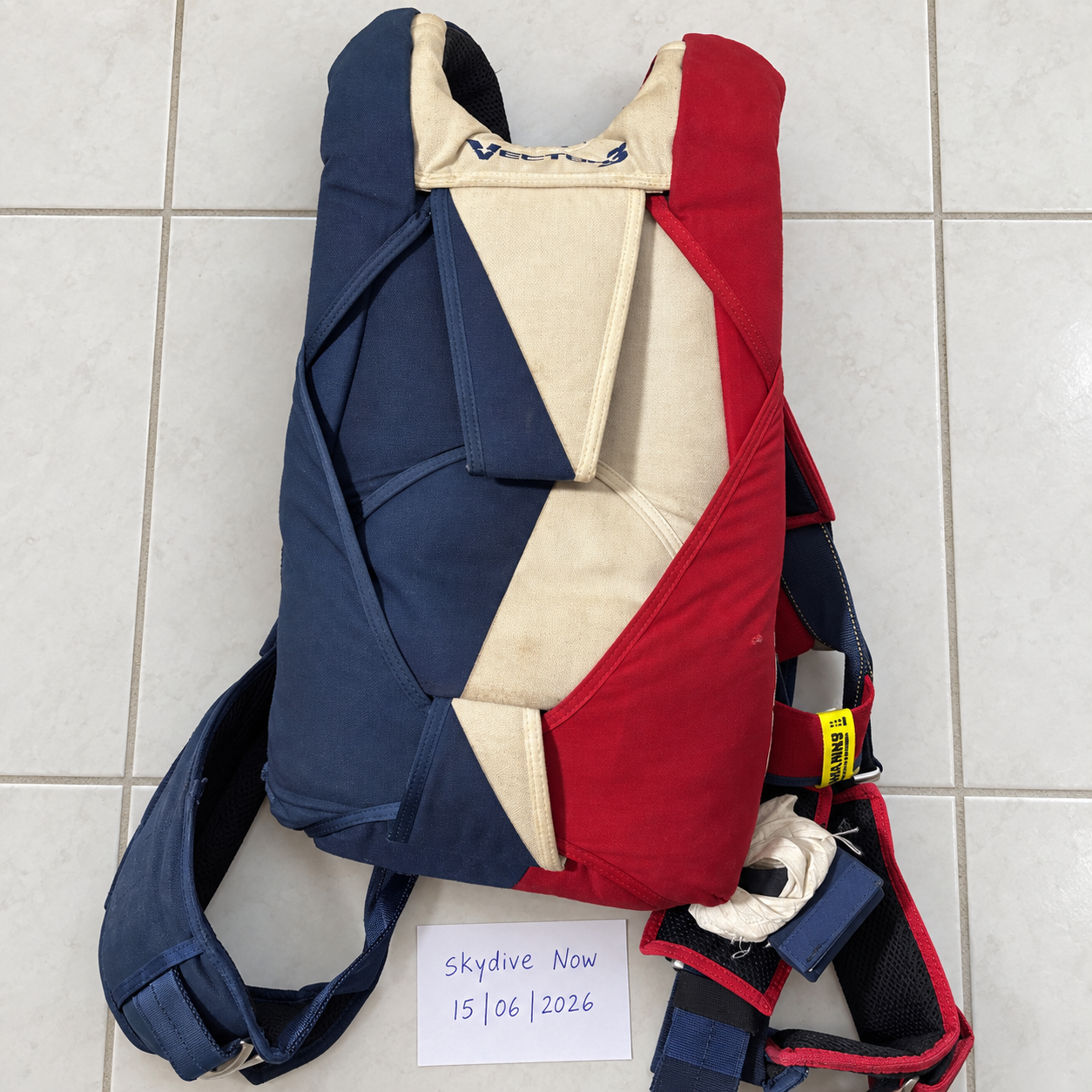
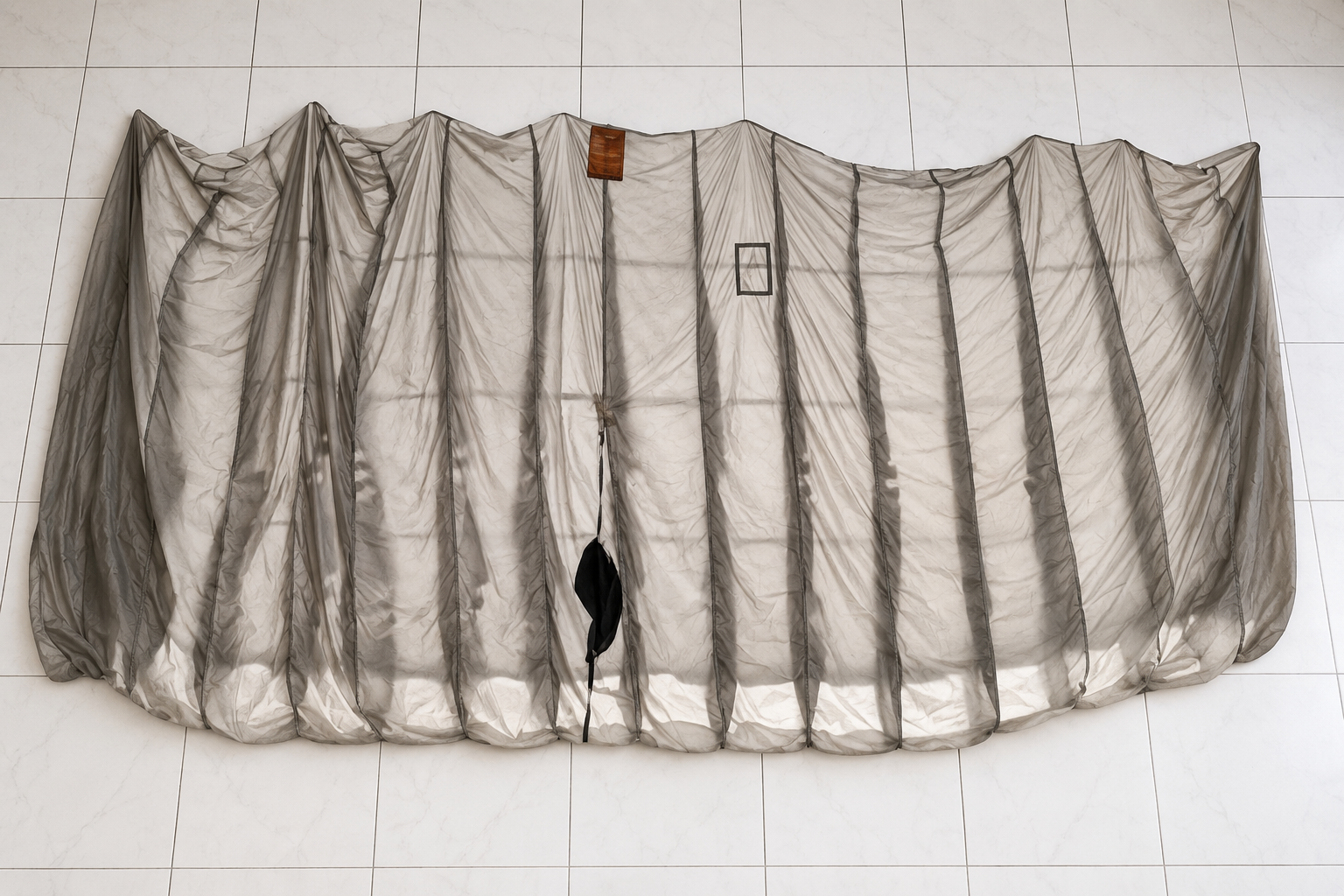
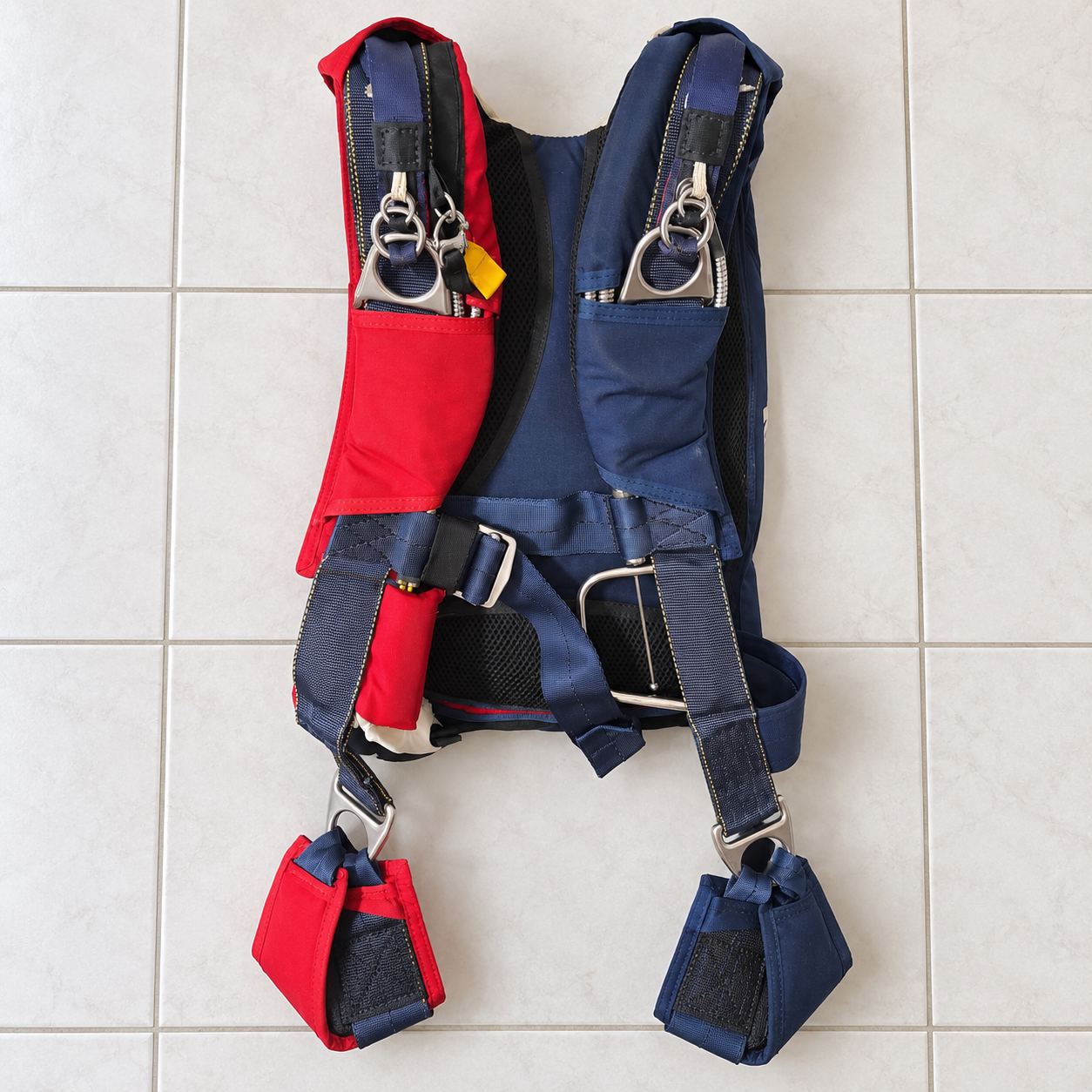
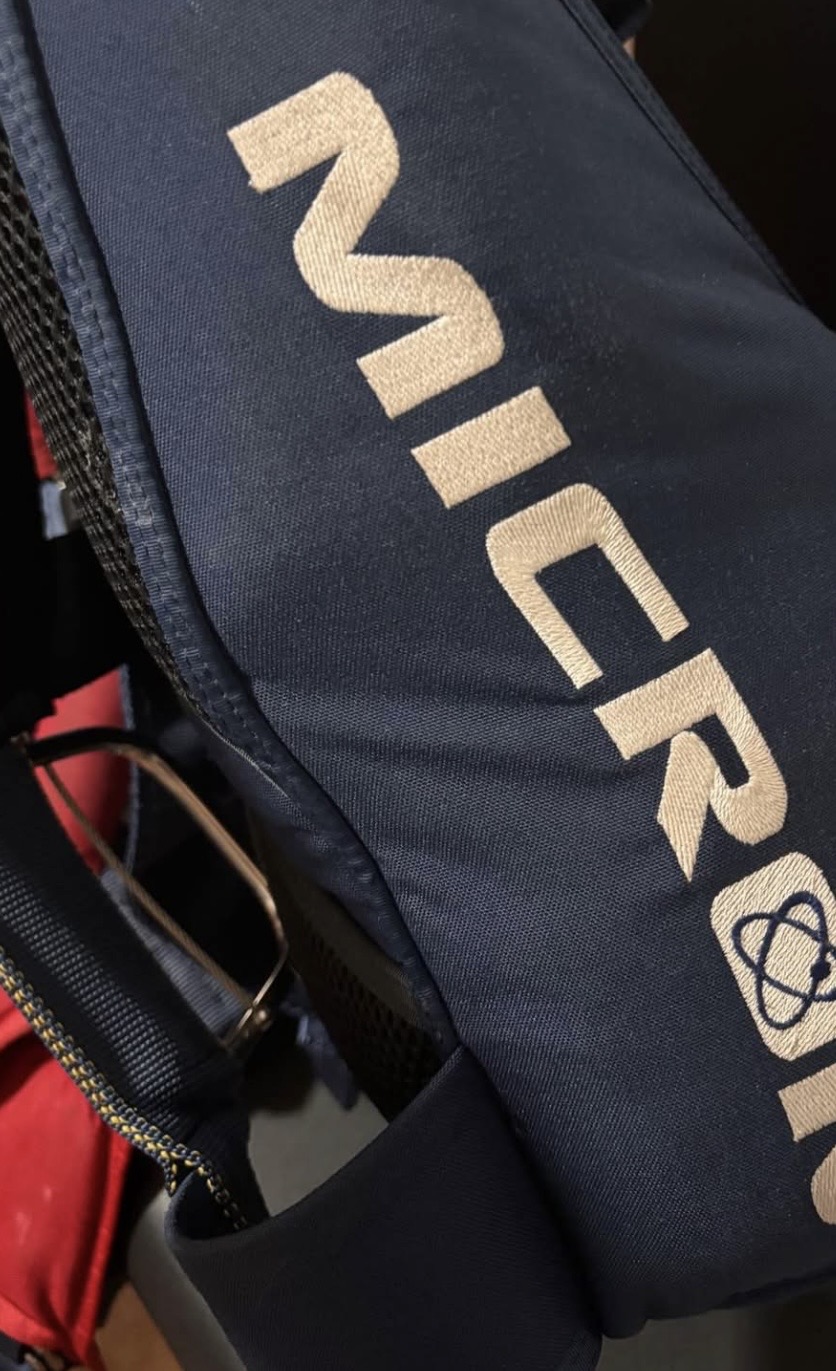
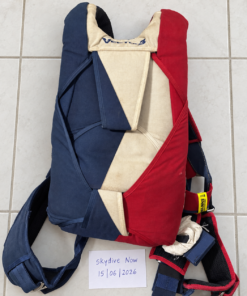
VECTOR V 310 Rig
€3,900.00
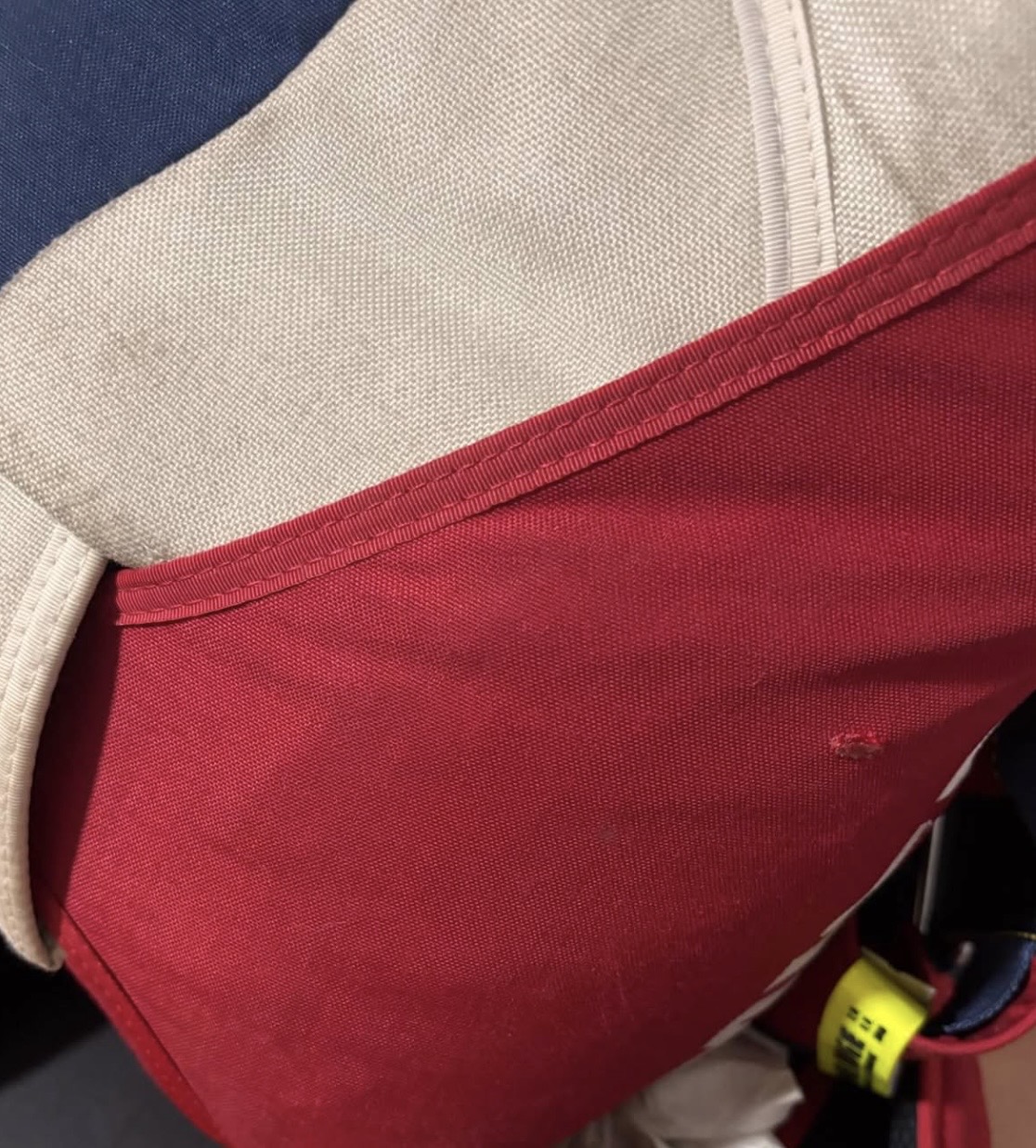
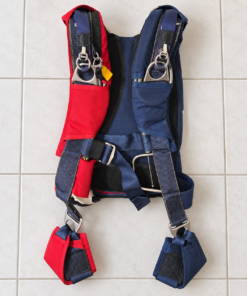
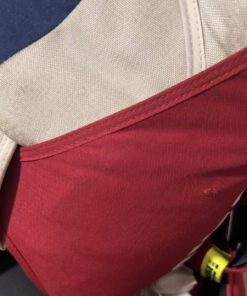
This VECTOR V 310 Rig is presented in excellent overall condition and has been carefully inspected by a professional rigger. The complete system shows no reported tears, holes, major damage, or previous structural repairs, making it a clean and well-maintained skydiving setup for a suitable experienced jumper.
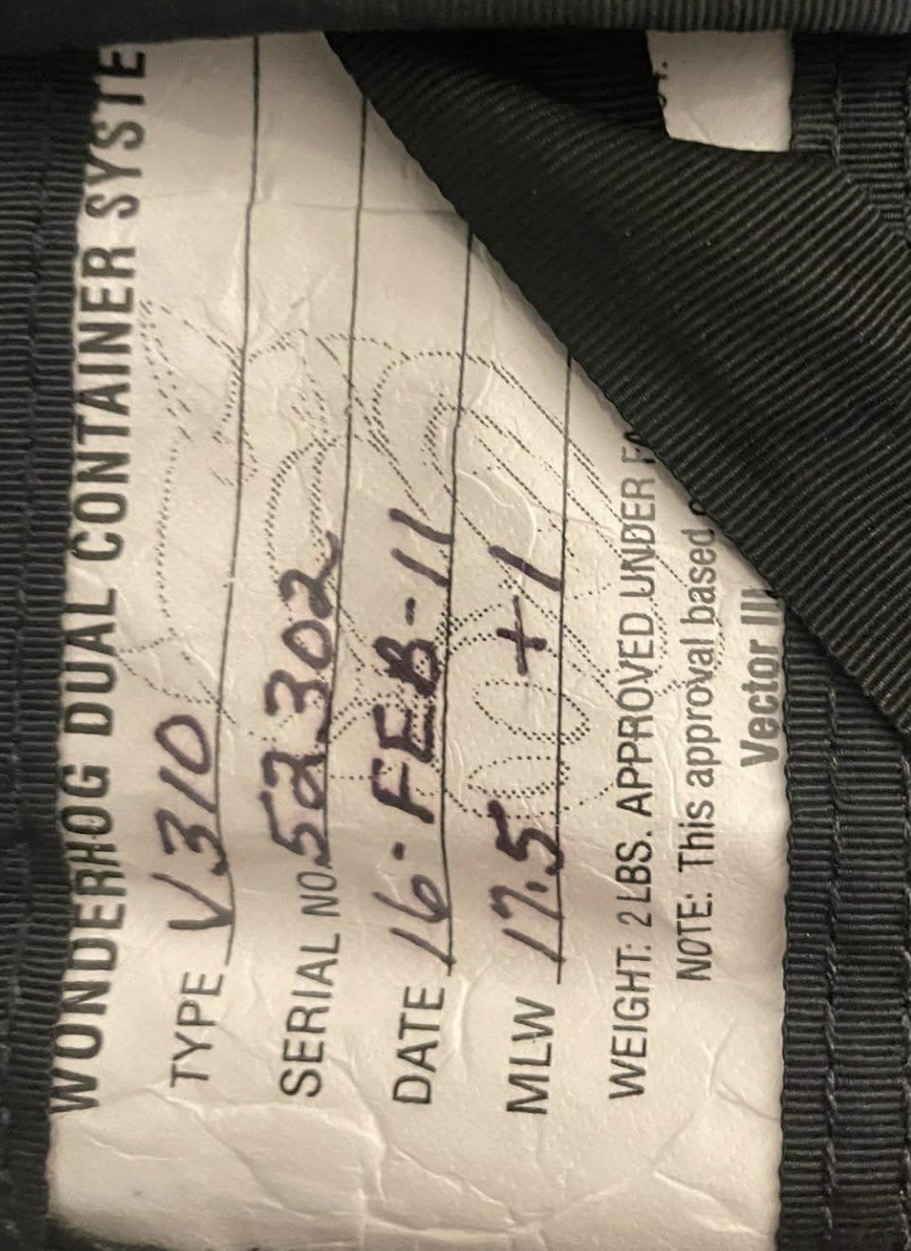
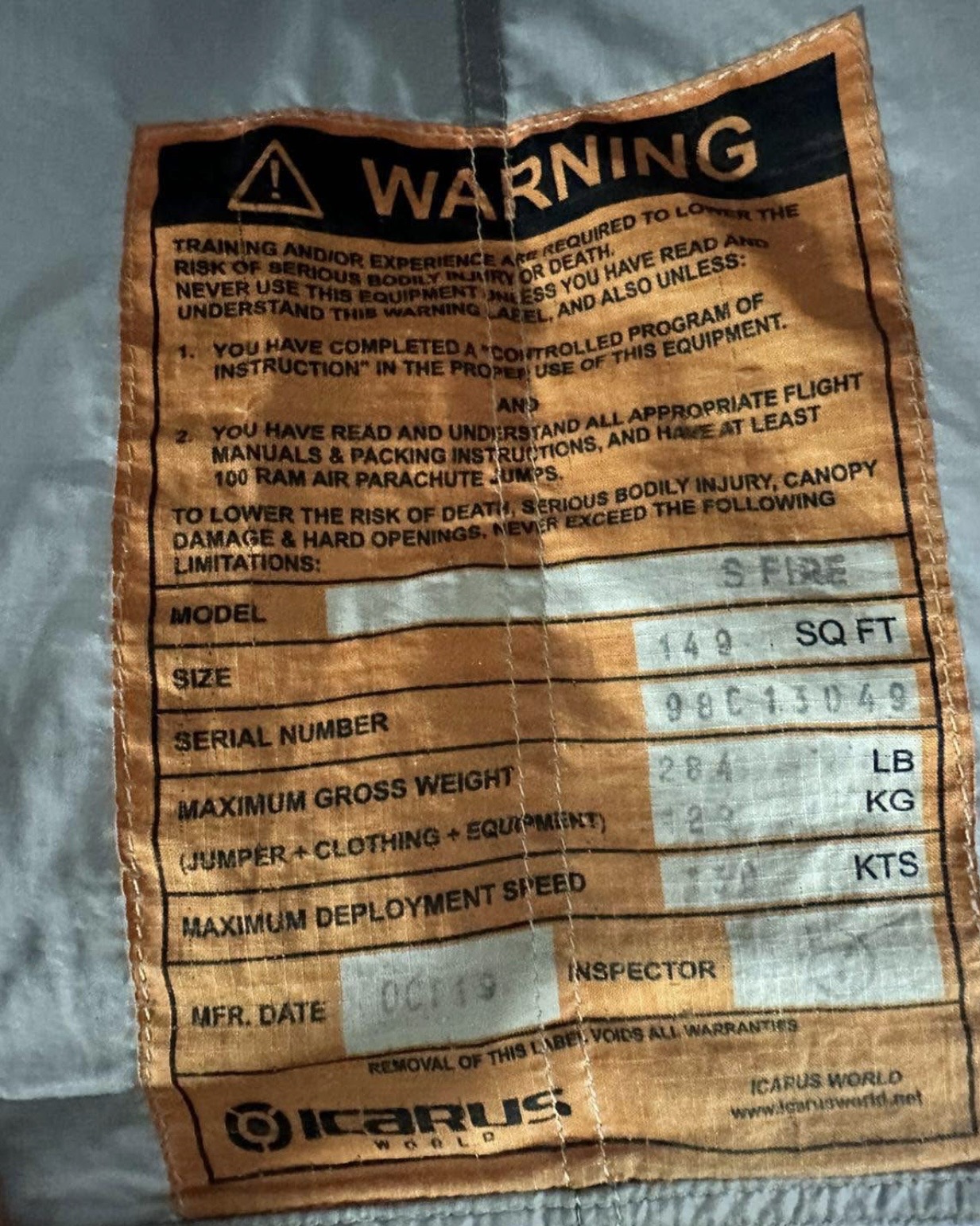
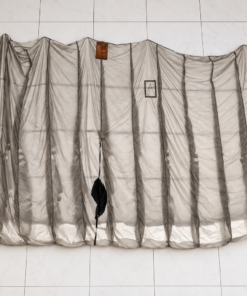
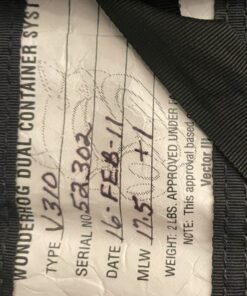
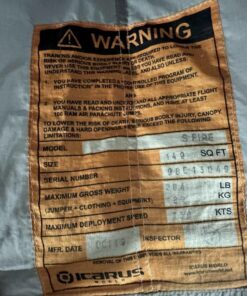
The rig includes the Vector V 310 container, manufactured in February 2011, with MLW 17.5 +1 sizing. The main canopy is an Icarus Safire 149, manufactured in October 2018, with approximately 700 jumps. It remains in good usable condition with no reported patches, tears, or significant fabric damage.
The reserve canopy is a PD Optimum 160, manufactured in November 2010, with 14 reported repacks. It has been properly checked as part of the complete system.
Also included is a CYPRES AAD, manufactured in March 2024, with a stated service period through September 2039.
Included Components
- Vector V 310 container
- Icarus Safire 149 main canopy
- PD Optimum 160 reserve canopy
- CYPRES AAD
- Harness and container assembly
- Main deployment components
- Reserve deployment components
Overall, this is a complete, well-presented rig with no reported damage, tears, or repairs and is ready for final buyer-specific inspection and fit verification.
VECTOR V 310 Rig with Icarus Safire 149, PD Optimum 160 & CYPRES AAD
The VECTOR V 310 Rig offers a complete skydiving system built around a Vector container, an Icarus Safire 149 main canopy, a PD Optimum 160 reserve canopy, and a recently manufactured CYPRES AAD. For a jumper searching for an established equipment configuration with clearly documented component dates and usage information, this setup provides an attractive combination of recognized skydiving equipment.
Manufactured in February 2011, the Vector V 310 container is listed with MLW 17.5 +1 sizing information. Furthermore, the complete setup is described as being suitable for a person approximately 1.78–1.85 m tall and weighing around 75–84 kg. Because harness fit involves more than height and body weight alone, final suitability should always be confirmed with a qualified rigger before the system is purchased or jumped.
Most importantly, several major components are included within one system. Therefore, a jumper looking to avoid sourcing a container, main canopy, reserve, and AAD individually can consider this VECTOR V 310 Rig as a complete equipment package.
VECTOR V 310 Rig Specifications
Important information about the system has been summarized below for easier comparison:
- Container: Vector V 310
- Container DOM: February 2011
- Harness sizing: MLW 17.5 +1
- Main canopy: Icarus Safire 149
- Main canopy DOM: October 2018
- Main canopy jumps: Approximately 700
- Reserve canopy: PD Optimum 160
- Reserve DOM: November 2010
- Reserve repacks: 14 reported repacks
- AAD: CYPRES
- AAD DOM: March 2024
- Stated CYPRES end of service: September 2039
- Suggested height range: Approximately 1.78–1.85 m
- Suggested weight range: Approximately 75–84 kg
These specifications make the listing particularly useful for jumpers who already understand their preferred canopy sizing and harness measurements.
Vector V 310 Container
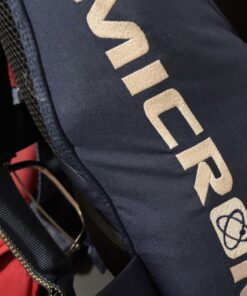
At the center of this package is the Vector V 310 container, manufactured in February 2011. Vector systems have long been used throughout the sport-parachuting community, making the V 310 a familiar platform to many experienced skydivers, riggers, and drop-zone professionals.
The container establishes the foundation around which the rest of the equipment is assembled. Meanwhile, the listed MLW 17.5 +1 measurement provides useful harness-sizing information for prospective buyers.
However, body dimensions vary considerably even between people of similar height and weight. Consequently, the stated range of 1.78–1.85 m and 75–84 kg should be treated as preliminary fit guidance rather than a guaranteed fit.
Before use, the harness/container should be evaluated for appropriate body fit, compatibility, maintenance requirements, and airworthiness by an appropriately qualified professional.
Practical Benefits of a Complete Container Setup
Rather than starting with an empty container and searching separately for compatible components, this VECTOR V 310 Rig already brings together its main, reserve, and AAD.
As a result, the buying process may be simplified for someone whose requirements match the system.
Additionally, important dates of manufacture have been provided for each major component. This allows prospective owners and their riggers to review the equipment history more efficiently before making a purchase decision.
Icarus Safire 149 Main Canopy
The main canopy supplied with the rig is an Icarus Safire 149, manufactured in October 2018. Approximately 700 jumps are reported on the canopy.
For any used main canopy, jump count provides useful context, although jump numbers alone should never be used to determine remaining serviceability. Fabric condition, line condition, trim, previous maintenance, storage environment, packing practices, and inspection history should also be considered.
Therefore, the Safire 149 should be professionally examined before being placed into service by a new owner.
Understanding the 149-Square-Foot Main
A 149-square-foot canopy represents a specific size category, but the suitability of that size depends heavily on the jumper.
Exit weight, experience, currency, training history, intended landing environment, local conditions, and wing loading all matter. Consequently, prospective buyers should confirm that a Safire 149 is appropriate for their experience and intended use instead of selecting the system purely because the harness fits.
When correctly matched to the jumper, having the intended main canopy already installed can make this package considerably more convenient than purchasing each component separately.
PD Optimum 160 Reserve Canopy
Reserve protection is provided by a PD Optimum 160, manufactured in November 2010.
The listing records 14 repacks for the reserve. That information offers valuable historical context because reserve packing and inspection records are an important part of assessing a complete parachute system.
Nevertheless, repack count should not be confused with deployment history or condition. Prospective buyers should review the reserve documentation and have its current condition confirmed by the appropriate qualified rigger.
The 160-square-foot reserve size also needs to be considered carefully in relation to the jumper’s total exit weight, experience, and emergency canopy requirements.
Professional Reserve Inspection Is Essential
Even when detailed manufacturing and repack information is available, reserve equipment should never be judged from a sales description alone.
Before the rig is placed into service, the reserve assembly, container, closing system, pilot chute, deployment components, and compatibility of the complete system should be examined according to applicable manufacturer instructions and local parachuting regulations.
This additional verification gives the buyer an opportunity to understand exactly what is being purchased.
CYPRES AAD Manufactured in 2024
A particularly noteworthy component of this VECTOR V 310 Rig is its CYPRES AAD.
The CYPRES is listed with a March 2024 date of manufacture, while the stated end-of-service date is September 2039.
Because the AAD is considerably newer than the container and reserve canopy, the system combines older parachute components with a relatively recent electronic activation device.
Nevertheless, the specific CYPRES model, maintenance status, service requirements, installation compatibility, and operational status should still be verified before use.
Why the AAD Information Matters
An Automatic Activation Device forms an important part of many modern sport-parachuting systems. Therefore, knowing its manufacture date and stated service period makes it easier for a prospective purchaser to understand the equipment package.
Moreover, clearly documented AAD information helps a rigger assess the system during inspection and repacking.
Harness Fit and Recommended Jumper Size
The supplied sizing information indicates that this rig may be suitable for a person approximately 1.78–1.85 metres tall with a body weight of approximately 75–84 kg.
Those figures provide a practical starting point. However, torso length, leg dimensions, chest measurements, body shape, clothing, and equipment configuration can significantly influence harness fit.
For that reason, a jumper within the stated height and weight range should not automatically assume that the VECTOR V 310 will fit correctly.
Ideally, the rig should be tried on and evaluated with professional assistance before purchase whenever possible.
A Complete Skydiving Equipment Combination
One of the principal attractions of this system is the combination of four essential components within a single package.
The Vector V 310 container provides the foundation. Meanwhile, an Icarus Safire 149 serves as the main canopy, while a PD Optimum 160 is installed as the reserve. Finally, a 2024 CYPRES AAD completes the principal equipment configuration.
Consequently, prospective buyers can assess one integrated package rather than building an equivalent system component by component.
The configuration may be especially relevant to an experienced jumper who already knows that these canopy sizes and approximate harness dimensions correspond with their requirements.
Why Consider This VECTOR V 310 Rig?
Clear technical information is one of the greatest advantages when evaluating used skydiving equipment. In this listing, dates of manufacture, canopy jump information, reserve repack information, AAD service information, harness sizing, and suggested user dimensions have all been provided.
Furthermore, the combination includes equipment from well-established names within sport parachuting.
Nevertheless, every used parachute system should be purchased with proper technical verification. The system should therefore be professionally inspected, documentation should be reviewed, component compatibility should be checked, and the buyer’s canopy suitability should be confirmed before jumping it.
Final Overview
The VECTOR V 310 Rig presents a complete skydiving setup consisting of a Vector V 310 container manufactured in February 2011, Icarus Safire 149 main manufactured in October 2018 with approximately 700 jumps, PD Optimum 160 reserve manufactured in November 2010 with 14 reported repacks, and CYPRES AAD manufactured in March 2024 with a stated service end date of September 2039.
Sizing information indicates suitability around 1.78–1.85 m in height and 75–84 kg in weight, subject to professional fit confirmation.
For a buyer whose experience level, canopy requirements, body dimensions, and intended use correspond with the equipment, this package provides a practical starting point for acquiring a complete rig.
Before purchase or use, the entire assembly should be assessed by a qualified parachute rigger, while canopy sizing and wing loading should be confirmed according to the jumper’s experience, exit weight, training, and applicable drop-zone or governing-body requirements.
Practical Use Scenarios
The Vector V 310 rig is best considered as a complete sport-skydiving system for a jumper whose experience, body measurements, canopy requirements, and exit weight are appropriate for the installed components. Because the system combines a Vector container, Safire 149 main canopy, PD Optimum 160 reserve, and CYPRES AAD, it may suit someone looking for an already assembled rig rather than sourcing each major component separately.
Regular Drop Zone Jumping
For normal recreational skydiving at an established drop zone, this rig may provide a practical setup for a suitably qualified jumper. The Safire 149 main canopy gives the user a defined canopy size that can be evaluated against their current wing loading and experience level before purchase.
A jumper who regularly performs solo jumps, formation skydiving, coached jumps, or general fun jumping may appreciate having a complete system with clearly identified components. Before being used at any drop zone, however, the rig should be checked according to the applicable local requirements, reserve repack rules, and equipment inspection procedures.
The harness sizing also makes the system particularly relevant to someone within the stated approximate height and weight range. Correct harness fit remains essential because the container should sit securely and comfortably while allowing proper movement in the aircraft, during freefall, and under canopy.
Experienced Jumper Transitioning to Personal Equipment
This setup may also be useful for a skydiver moving from rental or student equipment to personally owned gear.
Owning a complete rig gives the jumper more consistency between jumps. Instead of adjusting to different rental harnesses, containers, and canopy sizes, the owner can become familiar with the same deployment system, emergency handles, harness position, and canopy characteristics.
That consistency can be valuable for developing equipment familiarity. Nevertheless, the move to a 149-square-foot main canopy should only be made when the jumper has the appropriate training and experience. Canopy size should always be selected based on total exit weight, currency, landing skill, coaching history, and the recommendations of qualified instructors or canopy coaches.
Formation Skydiving and General Fun Jumping
The rig can potentially be used for conventional formation skydiving and other common recreational disciplines where a standard sport parachute system is appropriate.
During formation jumps, a secure harness fit and familiar deployment system can help the jumper focus on aircraft exit, freefall position, separation, deployment altitude, and canopy traffic. The relatively compact main canopy size may appeal to experienced jumpers who already fly comparable equipment.
However, discipline suitability should never be assumed solely from the container or canopy model. The entire equipment configuration should be reviewed before use, especially if the owner plans to participate in larger formations, higher-performance landings, or specialized jump types.
Travel and Boogie Use
For jumpers who attend boogies or travel between drop zones, owning a complete rig can simplify equipment preparation.
Rather than relying on gear availability at each destination, the jumper can travel with equipment they already know. The Vector V 310 container, main canopy, reserve, and CYPRES AAD are all included within one system, allowing the owner to maintain a consistent setup across different locations.
Before travel, the jumper should confirm local reserve repack requirements, AAD rules, equipment documentation, airline transport requirements, and any drop-zone-specific restrictions. International travel may also require additional attention to documentation and customs procedures.
Training Progression After Student Status
For someone progressing beyond student equipment, this rig may form part of a long-term personal setup if the canopy size and harness dimensions are appropriate.
A newly licensed jumper should not choose the rig simply because it is physically available or appears to fit. Instead, the entire system should be reviewed with an instructor or qualified rigger. Particular attention should be given to the Safire 149, because canopy downsizing should always be based on demonstrated skill rather than body weight alone.
If the jumper is approved to use this canopy size, having a personal rig can provide greater consistency during continued training.
A Practical Complete-System Option
Overall, the Vector V 310 rig is most practical for an experienced or appropriately progressing jumper who wants a complete system with clearly identified equipment history.
Its intended use should always be based on professional inspection, verified harness fit, appropriate wing loading, canopy experience, current reserve status, and proper AAD configuration.
When all of those factors are confirmed, the system may serve as a versatile personal rig for regular drop-zone use, training progression, recreational skydiving, formation jumping, and travel between established skydiving locations.
Be the first to review “VECTOR V 310 Rig”
Related products

Second hand

Second hand

Second hand
Second hand


Second hand
Second hand

Second hand

Second hand
Reviews
There are no reviews yet.