




MLW 15.5 Skydiving Rig


€5,000.00
This complete skydiving rig is in excellent overall condition and has been carefully maintained throughout its use. No damage, repairs, tears, holes, or major wear have been found on the system. The equipment has also been professionally inspected by a qualified parachute rigger, and all major components have been checked for condition, integrity, and general serviceability.
The complete setup includes:
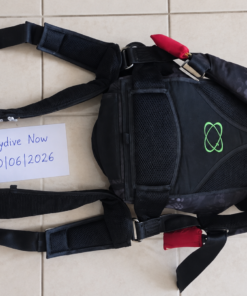
- MLW 15.5 harness/container
- Sabre 1 135 main parachute
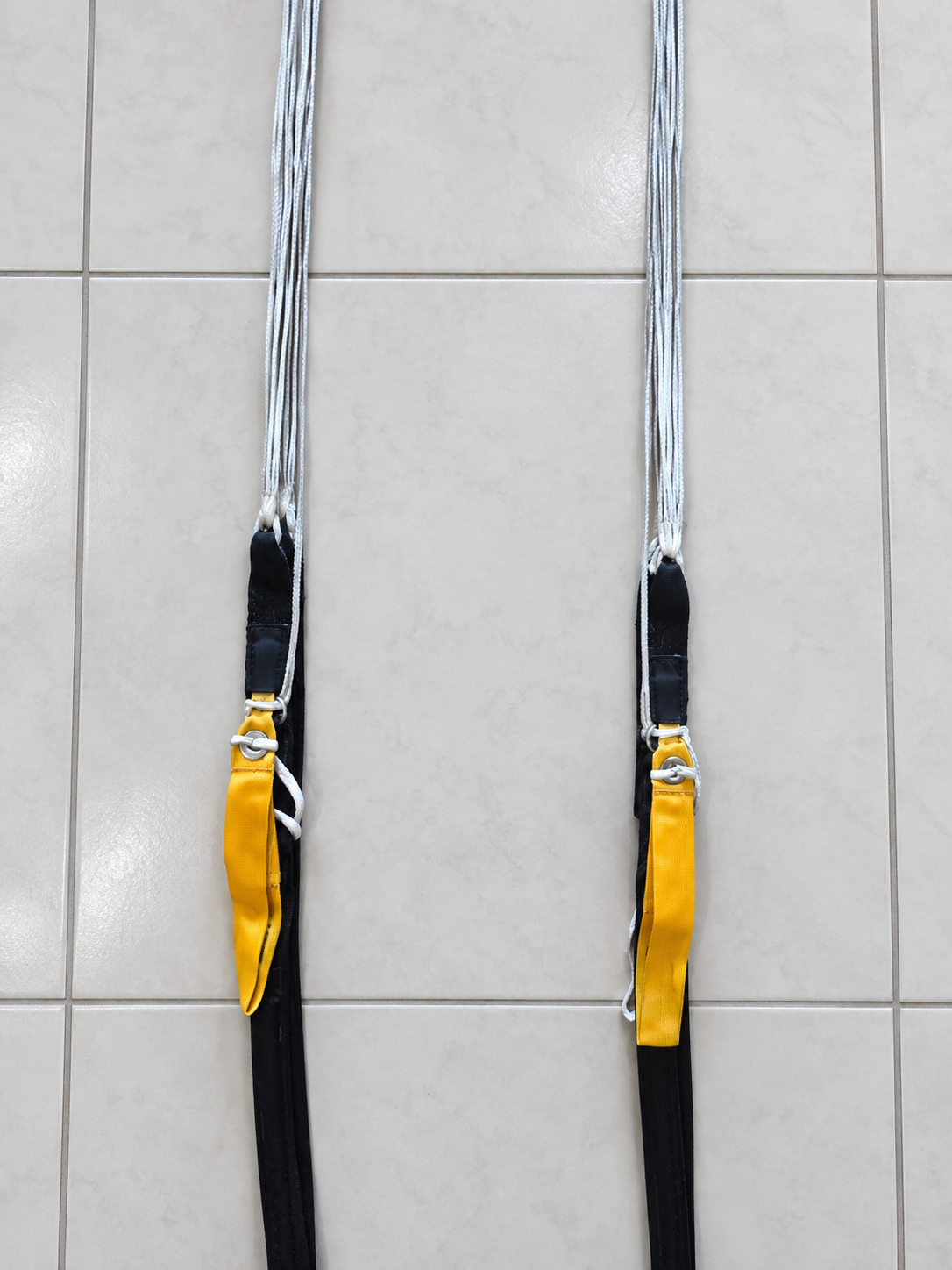
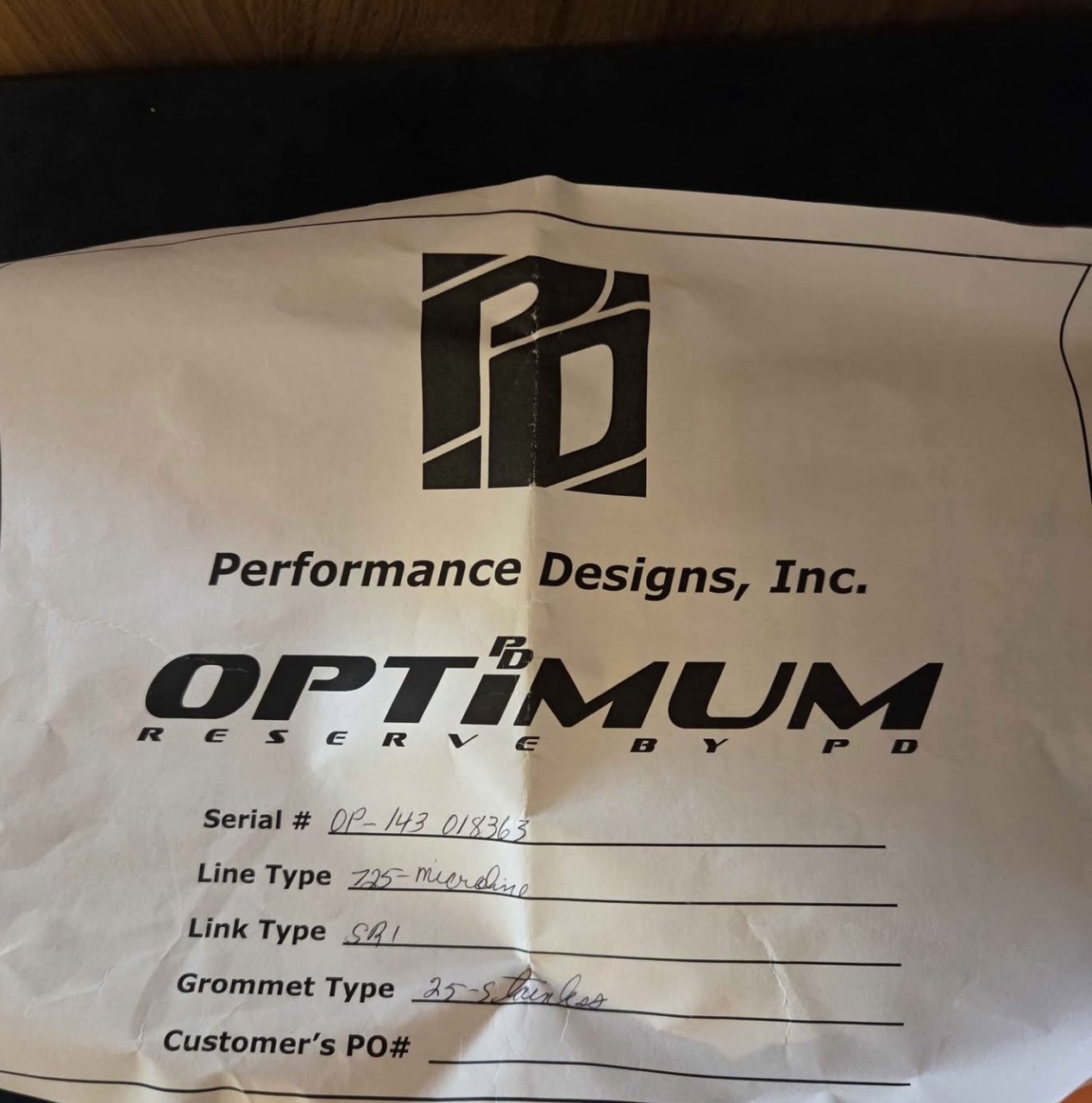
- Optimum 143 reserve parachute
- Approximately 500 jumps on the Sabre 1 135
- Approximately 100 jumps on the harness
- 0 reported reserve openings on the Optimum 143
The harness and container remain clean and structurally sound, with no visible tears or damage to the webbing, stitching, or fabric. The Sabre 1 135 has been kept in good condition, while the Optimum 143 reserve remains clean and has no reported deployments.
Everything has been well cared for and stored properly when not in use. The complete system presents very well and is suitable for a buyer looking for a clean and properly maintained used skydiving setup.
The rig is ready to be prepared for use and jumped again once final fit, compatibility, packing, and airworthiness are confirmed by the buyer’s qualified rigger.
MLW 15.5 Skydiving Rig with Sabre 1 135 and Optimum 143 Reserve
For skydivers looking for a compact, practical, and well-configured parachute system, this MLW 15.5 skydiving rig with Sabre 1 135 main parachute and Optimum 143 reserve offers an attractive combination of proven equipment and comparatively low harness use. A complete setup has been assembled around components that can be evaluated individually, while the overall configuration provides an excellent starting point for a jumper seeking an established parachute system.
At the center of the setup, an MLW 15.5 harness/container is included. Approximately 100 jumps have been completed on the harness, meaning its use has remained relatively limited compared with many pre-owned skydiving systems. Meanwhile, a Sabre 1 135 main canopy is supplied with the rig and has approximately 500 jumps recorded. Furthermore, an Optimum 143 reserve parachute is included and is reported as having zero reserve deployments/openings.
Because parachute compatibility, wing loading, harness fit, canopy experience, and component serviceability must always be considered individually, the entire system should be inspected and approved by an appropriately qualified parachute rigger before it is placed into service.
Complete MLW 15.5 Skydiving Rig Configuration
A balanced selection of components has been brought together in this parachute package. Instead of sourcing a harness/container, main canopy, and reserve independently, several of the primary elements required for a skydiving system are already included.
Product Highlights
- Harness/Container: MLW 15.5
- Harness Usage: Approximately 100 jumps
- Main Parachute: Sabre 1 135
- Main Canopy Usage: Approximately 500 jumps
- Reserve Parachute: Optimum 143
- Reserve Deployments: 0 reported openings
- Configuration: Main, reserve, and harness/container included
- Ideal Buyer: Experienced skydiver seeking a compact pre-owned parachute configuration
- Inspection: Professional rigger inspection should be completed before use
- Condition Evaluation: Individual component condition and compatibility should be confirmed before jumping
Sabre 1 135 Main Parachute
Included as the primary canopy is a Sabre 1 135. Approximately 500 jumps have been placed on the canopy according to the supplied information. Consequently, the main parachute should be evaluated according to its present physical condition rather than jump count alone.
During a professional inspection, the canopy fabric, suspension lines, attachment points, reinforcement areas, slider, stitching, and other critical components can be examined. Additionally, line condition and trim should be assessed because these factors can influence canopy performance.
The Sabre series has been widely recognized within recreational skydiving, and the 135-square-foot size places this particular canopy into a category where suitable experience and an appropriate exit weight become especially important.
Therefore, the canopy should not be selected simply because it fits inside the container. Instead, its size must be matched to the jumper’s experience, currency, weight, training history, and recommendations from qualified instructors or riggers.
For an appropriately experienced jumper, however, having the Sabre 1 135 already included provides a major component of the overall parachute system without requiring another main canopy to be sourced separately.
Optimum 143 Reserve with Zero Reported Openings
Additional value is provided by the Optimum 143 reserve canopy included in the system. According to the supplied specifications, the reserve has zero openings, meaning no reserve deployment has been reported.
That history can be particularly appealing when a pre-owned parachute system is being evaluated. Nevertheless, zero deployments should never be interpreted as meaning that an inspection is unnecessary.
Reserve parachutes are life-saving equipment. Therefore, the Optimum 143 should be inspected, packed, and maintained according to applicable regulations, manufacturer requirements, and the recommendations of a qualified parachute rigger.
During inspection, the reserve fabric, lines, stitching, attachment points, deployment components, and compatibility with the container can be verified. Likewise, packing records and identification information should be checked wherever available.
As a result, buyers can establish the actual service status of the reserve before the system is jumped.
MLW 15.5 Harness and Container
Only approximately 100 jumps are reported on the MLW 15.5 harness. Because the harness forms the structural connection between the jumper and the parachute system, proper fit and condition must be considered carefully.
Webbing, stitching, hardware, leg straps, chest strap components, riser attachment areas, deployment components, reserve system components, and container structure should all be examined during a pre-purchase or pre-use inspection.
Equally importantly, the harness dimensions must be suitable for the intended jumper.
Even when two people have similar height or body weight, differences in torso length, leg proportions, and body shape can affect harness fit. Therefore, the MLW 15.5 designation and actual harness measurements should be reviewed with a rigger before a purchase decision is finalized.
A properly fitted harness contributes considerably to comfort and equipment security throughout aircraft movement, exit, freefall, deployment, and canopy flight.
Why Consider This MLW 15.5 Skydiving Rig?
One of the strongest advantages of this package is the combination of its major components. A Sabre 1 135 main, Optimum 143 reserve, and MLW 15.5 harness/container are already presented together.
Furthermore, the different usage histories can be clearly evaluated. Approximately 500 jumps are reported on the main canopy, approximately 100 jumps are reported on the harness, and zero reserve openings are reported.
This transparency can simplify the evaluation process because buyers and riggers are given useful baseline information before a detailed physical inspection is performed.
Additionally, purchasing a configured system can reduce the amount of time required to locate individual components. Compatibility should still be professionally confirmed, but much of the initial equipment search has already been completed.
Suitable Use and Jumper Experience
The 135-square-foot main canopy means this system should be considered carefully in relation to the intended jumper’s skill level.
Canopy selection should always be based on more than parachute size. Exit weight, wing loading, previous canopy experience, recent jump history, landing consistency, drop-zone conditions, and instructor recommendations should all be considered.
Therefore, this equipment should not automatically be regarded as suitable for every new skydiver simply because it is available as a complete package.
Instead, an experienced instructor or qualified rigger should be consulted before the Sabre 1 135 is selected for an individual jumper.
The same principle applies to the reserve. The Optimum 143 must be compatible with the container and appropriate for the user’s size and operational requirements.
Pre-Purchase Inspection Is Recommended
Professional inspection is one of the most important steps when purchasing used skydiving equipment.
Before this MLW 15.5 rig is placed into service, the Sabre 1 135, Optimum 143 reserve, and harness/container system should be examined by a qualified parachute rigger.
Among other things, fabric condition, stitching, suspension lines, harness webbing, hardware, container integrity, deployment components, reserve compatibility, and maintenance history can be evaluated.
Any service requirements can then be identified before jumping.
For this reason, buyers are encouraged to base their final decision on both the supplied equipment history and an independent professional inspection.
A Practical Pre-Owned Skydiving Package
Overall, this MLW 15.5 skydiving rig with Sabre 1 135 and Optimum 143 reserve provides a straightforward package for a suitably experienced jumper seeking pre-owned equipment.
Approximately 100 jumps have been recorded on the harness, while approximately 500 jumps have been reported on the Sabre 1 135 main. Meanwhile, the Optimum 143 reserve is reported as having zero openings.
Because the primary components are already included, the package can offer a convenient alternative to building a parachute system one component at a time. However, fit, canopy suitability, component compatibility, maintenance status, and airworthiness should always be confirmed professionally.
Once those checks have been completed and the equipment has been approved for the intended jumper, this MLW 15.5 setup can provide a practical foundation for continued skydiving use.
Frequently Asked Questions
What is included with this complete skydiving rig?
This setup includes the main components required for a complete parachute system. The package consists of an MLW 15.5 harness/container, a Sabre 1 135 main parachute, and an Optimum 143 reserve parachute. The harness has approximately 100 jumps, while the Sabre 1 135 has approximately 500 jumps. The Optimum 143 reserve has 0 reported openings.
Each component has been kept as part of the same overall system, making this a convenient option for someone who wants to avoid sourcing a harness, main canopy, and reserve separately.
Before use, final compatibility, fit, packing, and airworthiness should still be confirmed by a qualified parachute rigger.
What condition is the rig in?
The rig is presented in excellent overall condition. No tears, holes, major damage, or known repairs have been reported on the system. The harness, container, main parachute, and reserve have all been maintained carefully.
The equipment has also been professionally inspected, and the main structural areas, fabric, stitching, webbing, and visible components have been checked.
As with any used skydiving equipment, a buyer may still choose to have the complete system independently inspected before purchase or before the next jump.
Has the harness ever been damaged or repaired?
No known damage or repairs have been reported on the harness. The MLW 15.5 harness has approximately 100 jumps, and it remains in very good condition.
Important areas such as webbing, stitching, hardware, leg straps, chest strap components, and container structure should always be checked during a professional inspection.
Because harness fit is highly individual, the intended jumper should also confirm that the harness measurements are suitable for their body dimensions before using the rig.
How many jumps are on the Sabre 1 135?
The Sabre 1 135 main parachute has approximately 500 jumps.
Jump count is an important part of evaluating a used canopy, but it should never be the only consideration. Fabric condition, line condition, line trim, stitching, attachment points, slider condition, and overall maintenance history should also be inspected.
A properly maintained canopy can often remain serviceable for many jumps, although actual condition depends on how it has been used, packed, stored, and maintained.
Has the Optimum 143 reserve ever been deployed?
The Optimum 143 reserve has 0 reported openings.
That means no reserve deployment has been reported on this canopy. However, reserve parachutes still require scheduled inspections and repacks according to applicable regulations and manufacturer requirements.
A qualified rigger should inspect the reserve before it is returned to service. Reserve fabric, lines, stitching, attachment points, deployment components, and packing records should all be reviewed.
Is the rig ready to jump?
The system is presented as being in excellent condition and has been professionally inspected. However, every skydiving rig should receive a final check before being jumped by a new owner.
The buyer should confirm harness fit, canopy compatibility, reserve packing status, component condition, and overall airworthiness with a qualified rigger.
Once those checks have been completed and the system has been approved for the intended jumper, it can be prepared for continued use.
Is the Sabre 1 135 suitable for beginners?
A 135-square-foot main canopy is not automatically suitable for every beginner. Canopy choice must be based on several factors, including exit weight, wing loading, experience, currency, previous canopy size, landing consistency, local conditions, and instructor recommendations.
For that reason, the Sabre 1 135 should only be used by someone whose experience and training are appropriate for that canopy size.
A qualified instructor or canopy coach should always be consulted before downsizing or moving to a canopy that requires more experience.
What does MLW 15.5 mean?
MLW 15.5 refers to the harness/container configuration and sizing designation associated with this rig.
However, a size label alone does not confirm whether a harness will fit a specific jumper. Torso length, leg length, body shape, height, weight, and personal fit preferences all affect how a harness sits on the body.
For this reason, actual harness measurements should be checked and compared with the intended user before purchase.
A rigger can help determine whether the harness is suitable or whether adjustments may be required.
How many jumps are on the harness?
The harness has approximately 100 jumps.
This is relatively low use compared with many second-hand rigs. Nevertheless, the actual condition of the harness remains more important than jump count alone.
Webbing, stitching, hardware, riser attachment areas, leg straps, chest strap components, container panels, reserve system components, and deployment equipment should all be checked before use.
Has the rig been professionally inspected?
Yes, the system has been professionally inspected by a qualified parachute rigger.
The inspection helps confirm the general condition of the major components and identify visible damage, excessive wear, or maintenance issues.
Because equipment condition can change through storage, transportation, packing, or continued use, a buyer may still want an independent inspection before taking the system into service.
Are there any tears or holes in the canopy?
No known tears, holes, or major damage have been reported on the Sabre 1 135.
The canopy has approximately 500 jumps and has been maintained carefully.
Still, a complete canopy inspection should include the top skin, bottom skin, ribs, seams, reinforcement areas, suspension line attachment points, slider, and lines.
This gives the buyer a clearer understanding of the canopy’s present condition.
Does the rig have any known repairs?
No known repairs have been reported on the rig based on the supplied condition information.
The harness/container, main canopy, and reserve are described as being free from known structural repairs and major damage.
Any buyer who wants additional confirmation should request a detailed rigger inspection and review any available maintenance records.
Is the Optimum 143 compatible with the container?
The Optimum 143 is currently part of the system. However, compatibility should still be confirmed by a qualified rigger before use.
Container compatibility involves more than simply fitting a reserve canopy inside the reserve tray. Pack volume, manufacturer recommendations, closing loop configuration, pilot chute operation, deployment system condition, and reserve container dimensions all matter.
A rigger can verify whether the complete reserve installation is appropriate.
Can I use a different main canopy in this container?
Potentially, yes, but the correct canopy size depends on the container’s approved pack-volume range and manufacturer specifications.
A canopy that is too large can create excessive pack pressure, while one that is too small may result in poor container shape or incorrect deployment characteristics.
Before changing the Sabre 1 135 for another main canopy, the buyer should confirm the acceptable size range with the container manufacturer or a qualified rigger.
Does the rig need to be repacked before use?
The reserve may need to be repacked depending on the current pack date and the regulations that apply where the system will be used.
Even when a reserve has never been deployed, it must still follow the required inspection and repack schedule.
The main canopy may also be unpacked during an inspection if the buyer or rigger wants to examine the fabric, lines, slider, attachment points, and internal structure.
Is the reserve new because it has zero openings?
Not necessarily. Zero reported openings means the reserve has not been reported as deployed.
It does not necessarily mean that the canopy has never been packed, inspected, stored, or handled.
Reserve age, date of manufacture, packing history, and condition should be checked separately.
A reserve can have zero deployments and still require normal inspections, repacks, and maintenance.
Why is professional inspection important when buying a used rig?
Skydiving equipment is life-safety equipment. A professional inspection allows critical parts of the system to be examined before use.
A rigger can check the harness webbing, stitching, metal hardware, risers, container structure, main canopy, reserve, deployment system, and compatibility between components.
This is especially important with second-hand equipment because a visual inspection by the buyer may not reveal hidden wear or installation issues.
What should I check before purchasing the rig?
Several areas should be considered before completing a purchase.
First, confirm that the harness dimensions are appropriate for your body size. Next, verify that the Sabre 1 135 is suitable for your experience level and intended wing loading. The reserve size should also be appropriate.
Then, review the jump counts, inspection history, reserve packing status, and overall equipment condition.
Finally, have a qualified rigger check the full system before use.
Is a 135 main and 143 reserve combination normal?
Main and reserve canopy sizes do not always need to be identical. However, both should be appropriate for the jumper and compatible with the container.
The reserve should provide a level of performance that the jumper can safely manage in an emergency.
A qualified instructor and rigger can help evaluate the combination based on body weight, exit weight, experience, and training.
Can the rig be used for regular sport skydiving?
Yes, the system is intended for sport skydiving use once it has been confirmed as suitable for the jumper and approved for service.
The actual use will depend on the jumper’s experience, local drop-zone rules, equipment regulations, canopy requirements, and training.
Because the Sabre 1 135 is a smaller canopy, proper experience and canopy-control skills are particularly important.
Be the first to review “MLW 15.5 Skydiving Rig”
Related products


Second hand
Second hand


Second hand


Second hand

Second hand
Second hand


Second hand

Second hand
Reviews
There are no reviews yet.