








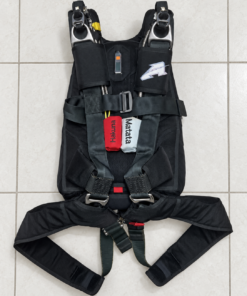

Complete Aerodyne System

€4,300.00
This Complete Aerodyne System is in excellent overall condition and has been carefully inspected by a professional parachute rigger. The complete setup shows no tears, holes, structural damage, or repairs, and all components remain clean, well maintained, and ready for continued use.
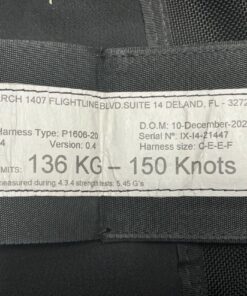
The Aerodyne ICON I4 harness/container, DOM 12/2020, has approximately 95 jumps and remains in very good cosmetic condition with no significant scuffs, wear, or damage. The required TSB cutter relocation has already been completed and documented on the reserve card. The container is also equipped with a Skyhook MARD system.
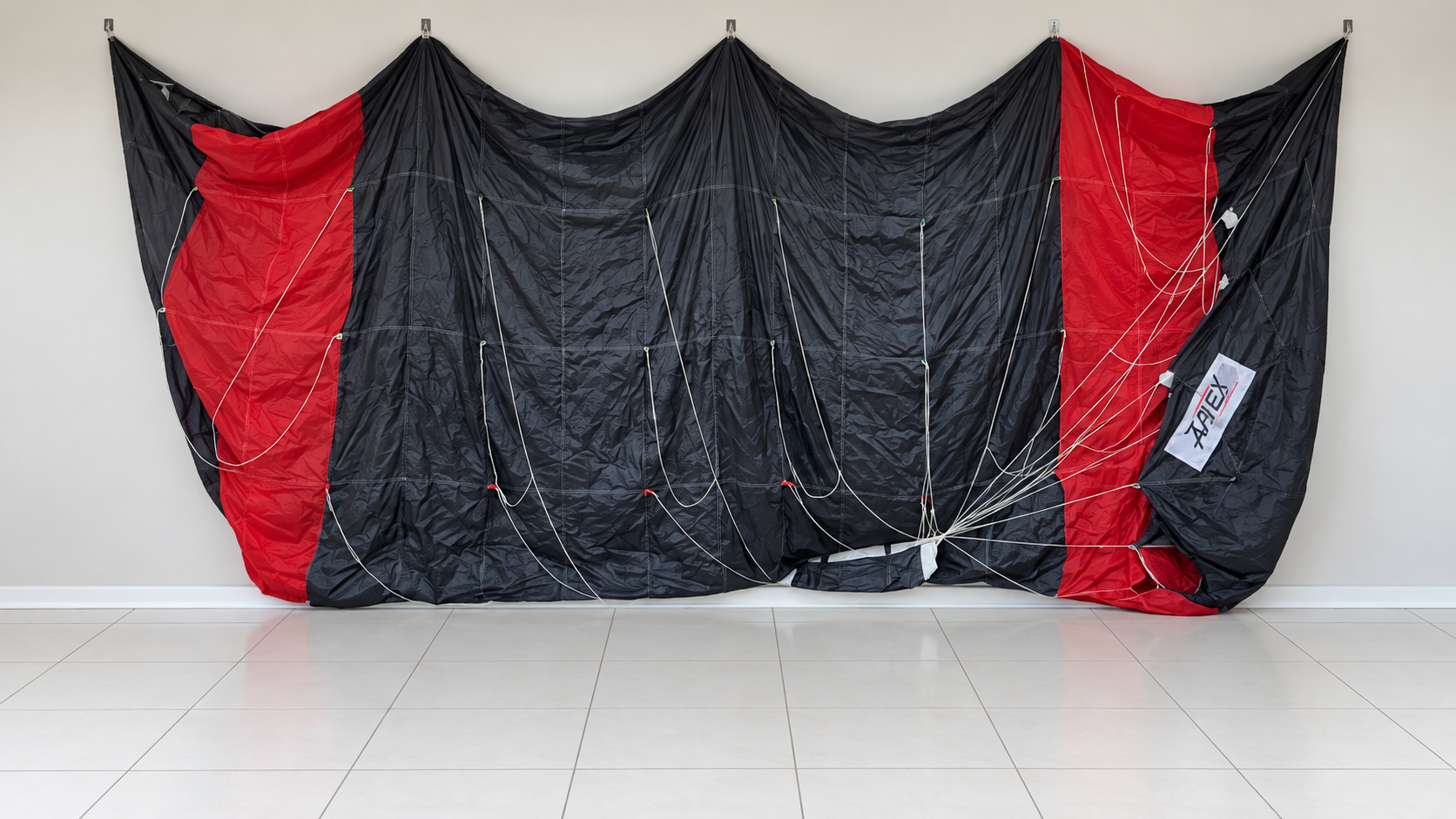
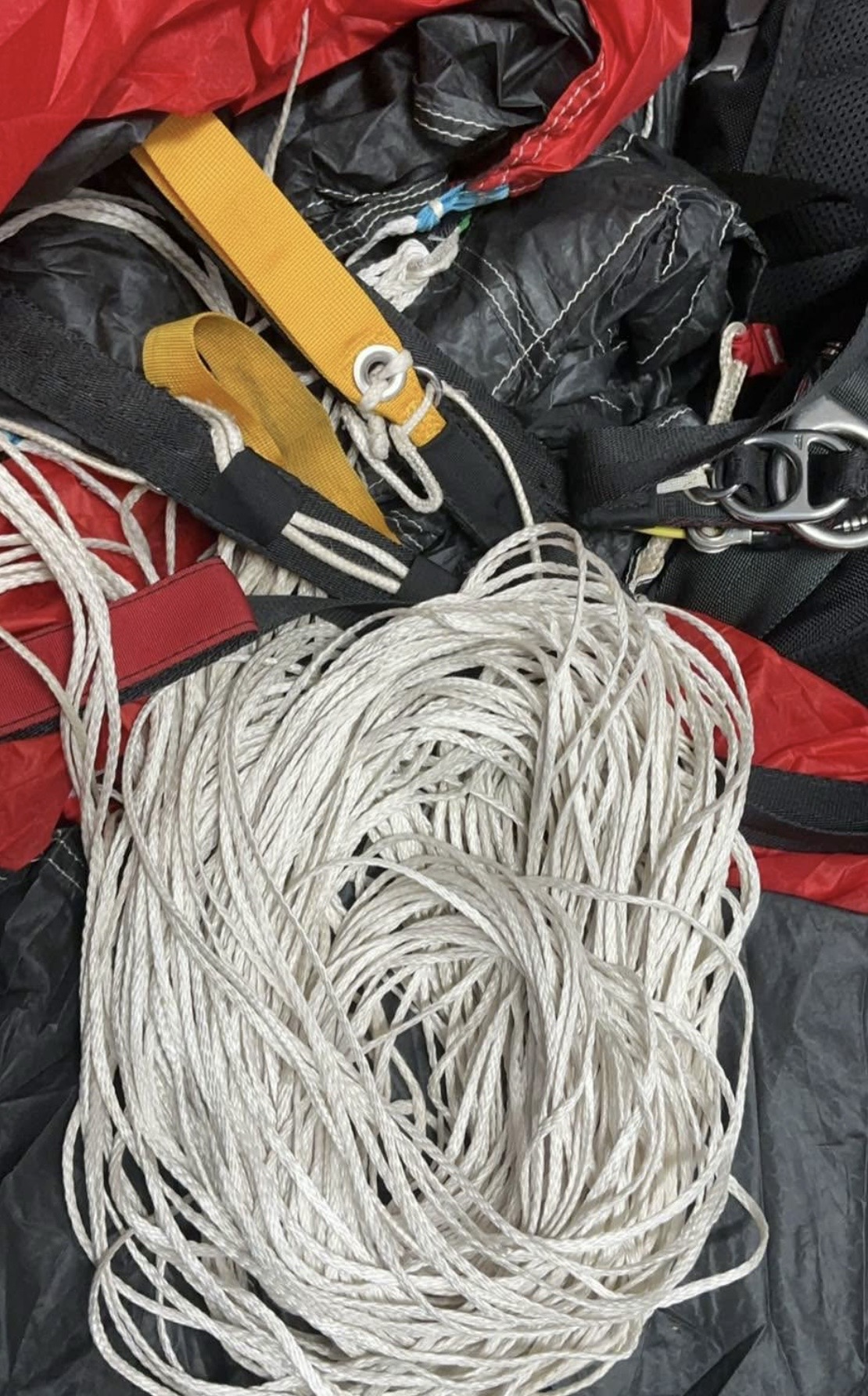
The Aerodyne Pilot 168 main canopy, DOM 03/2019, has approximately 200 jumps. It has no reported repairs, holes, tears, or damage, while the lines remain in excellent condition.
The Smart 160 LPV reserve, DOM 11/2020, has never been deployed and has only 7 pack jobs since new.
The Vigil Cuatro AAD, DOM 08/2019, has approximately 95 jumps and no activations.
Overall, this complete rig has been professionally checked and is presented in excellent condition. Following normal pre-jump inspection and current packing requirements, it is ready to be used and jumped again.
Complete Aerodyne System – ICON I4, Pilot 168, Smart 160 LPV & Vigil Cuatro
A Complete Aerodyne System in exceptionally well-preserved condition is being offered for anyone searching for a carefully maintained, low-jump skydiving setup. A one-owner Aerodyne ICON I4 container is included, together with a Pilot 168 main canopy, Smart 160 LPV reserve, and Vigil Cuatro AAD. Because the major components have relatively low use, an attractive combination of condition, equipment integration, and documented history is provided.
Only 95 total jumps have been placed on the container. Moreover, no significant scuffs, damage, or visible wear have been reported. The mandatory TSB cutter relocation has already been performed and has been documented on the reserve packing card.
For additional emergency-system functionality, the container has also been equipped with a MARD/Skyhook system.
Product Highlights
- Complete Aerodyne System
- Container: Aerodyne ICON I4
- Container DOM: December 2020
- Container jumps: Approximately 95
- Harness fit: Approximately 5’4″–5’8″, 150–180 lbs
- MARD: Skyhook equipped
- TSB cutter relocation: Completed and noted on reserve card
- Main canopy: Aerodyne Pilot 168
- Main DOM: March 2019
- Main jumps: Approximately 200
- Reserve: Aerodyne Smart 160 LPV
- Reserve DOM: November 2020
- Reserve deployments: 0
- Reserve repacks: 7
- AAD: Vigil Cuatro
- AAD DOM: August 2019
- AAD jumps: Approximately 95
- AAD activations: 0
- Overall condition: Excellent
Aerodyne ICON I4 Harness and Container
At the heart of this Complete Aerodyne System, an Aerodyne ICON I4 harness/container manufactured in December 2020 is provided. Since new, ownership has remained with one individual, and only approximately 95 jumps have been accumulated.
Very little visible evidence of use has been reported. No notable damage, heavy wear, or significant scuffing has been identified. Consequently, the container has retained a clean and well-maintained appearance.
The harness was originally built for a shorter jumper. An approximate fit range of 5’4″ to 5’8″ and 150–180 lbs has been reported. Nevertheless, harness fit should always be personally verified before jumping, since body proportions and individual measurements can influence suitability even when height and weight fall within an estimated range.
Mandatory Cutter Relocation Already Completed
Importantly, the applicable mandatory TSB cutter relocation has already been performed on this ICON I4. Furthermore, completion of the work has been recorded on the reserve card.
Because this modification has already been documented, an important part of the container’s maintenance history can be reviewed directly with the equipment documentation.
Skyhook MARD Equipped
Additional emergency deployment functionality is provided through the installed Skyhook MARD system.
A Main-Assisted Reserve Deployment system is designed to assist reserve deployment following certain types of main canopy cutaways. However, correct inspection, assembly, packing, and operation should always be confirmed by an appropriately qualified parachute rigger before the equipment is placed into service.
Aerodyne Pilot 168 Main Canopy
Included with this Complete Aerodyne System is an Aerodyne Pilot 168 main canopy manufactured in March 2019.
Approximately 200 jumps have been completed on the canopy. Despite that use, excellent overall condition has been reported. No repairs, holes, structural damage, or abnormal wear have been identified.
Likewise, the suspension lines have been described as exceptionally clean and well preserved. No water exposure has been reported, and the canopy has never been chopped.
Consistent flight characteristics have also been reported, with no factory turn or unwanted turning tendency noted by the previous owner.
Well-Regarded Pilot 168 Configuration
The Pilot series has become a familiar choice within recreational skydiving, and the 168-square-foot size offers a practical configuration for appropriately qualified jumpers whose exit weight and experience correspond with that canopy size.
Rather than evaluating canopy suitability from square footage alone, wing loading, currency, experience, landing environment, and instructor guidance should be considered before use.
For this particular Pilot 168, relatively modest jump numbers are paired with clean fabric, reportedly pristine lines, and an absence of repairs.
Smart 160 LPV Reserve Canopy
Emergency canopy duties are handled by an Aerodyne Smart 160 LPV reserve, manufactured in November 2020.
The reserve has never been deployed and has undergone only seven pack jobs since new. Therefore, relatively limited use has been placed on this component.
Because reserve condition and airworthiness remain critical, inspection and packing should be completed in accordance with the applicable regulations and manufacturer requirements before the system is jumped.
Low-Pack-Volume Reserve Configuration
A low-pack-volume design is provided by the Smart 160 LPV. As a result, reserve pack volume can be managed efficiently within a compatible container configuration.
Compatibility between the reserve, container, deployment system, and jumper requirements should nevertheless be confirmed through manufacturer specifications and a qualified rigger.
Vigil Cuatro Automatic Activation Device
Completing the equipment package is a Vigil Cuatro AAD manufactured in August 2019.
Approximately 95 jumps have been recorded on the unit, corresponding closely with the jump history of the ICON container. Most importantly, no activations have been reported.
An AAD adds an additional layer to a parachute system’s emergency equipment. Even so, it should never be treated as a substitute for proper training, altitude awareness, emergency procedures, or correctly maintained parachute equipment.
Before returning the system to service, the AAD’s current status, maintenance requirements, battery status, service life, and installation should be verified according to the manufacturer’s current instructions.
Why This Complete Aerodyne System Stands Out
A particularly attractive combination has been assembled with this rig. Instead of a heavily used collection of unrelated components, an integrated Complete Aerodyne System with relatively low use is being presented.
Only around 95 jumps have been placed on the ICON I4 container. Approximately 200 jumps have been made on the Pilot 168. Meanwhile, the Smart 160 LPV reserve has never been deployed, and the Vigil Cuatro has recorded no activations.
Furthermore, several desirable features have already been incorporated into the configuration. A Skyhook MARD is fitted, the mandatory cutter-relocation service bulletin work has been performed, and the modification has been documented.
Another major advantage is provided by the clean physical condition. No damage or significant container wear has been reported, while the Pilot 168 has been described as free from holes, repairs, abnormal wear, or unwanted flight characteristics.
Ideal for the Appropriately Qualified Jumper
This Complete Aerodyne System may be especially attractive to someone whose measurements correspond closely with the existing harness.
The approximately 5’4″–5’8″ and 150–180 lb reported fit range should provide a useful starting point when determining compatibility. However, the harness should be physically evaluated before use, preferably with assistance from a qualified rigger or experienced equipment professional.
Likewise, the Pilot 168 should only be used when its size and resulting wing loading are appropriate for the jumper’s training, experience, currency, and local requirements.
Complete Component Package
A substantial equipment package is included:
- Aerodyne ICON I4 harness/container
- Aerodyne Pilot 168 main canopy
- Aerodyne Smart 160 LPV reserve
- Vigil Cuatro AAD
- Skyhook MARD system
- Completed cutter-relocation TSB documentation
Consequently, the core components of a complete parachute system are being offered together rather than requiring the primary elements to be sourced individually.
Excellent Condition With Low Overall Use
Condition is one of the strongest features of this Complete Aerodyne System. Only 95 jumps have been accumulated on the container, while the Pilot 168 remains at approximately 200 jumps.
No container damage, significant scuffs, or abnormal wear have been reported. Similarly, the main canopy has been described as free from repairs, holes, and damage, while its lines remain in excellent condition.
The Smart 160 LPV has never been deployed and has received only seven packs. Meanwhile, the Vigil Cuatro has experienced no activations.
Taken together, these specifications create a particularly clean, low-use Aerodyne configuration for a suitably sized and appropriately experienced jumper.
Ready for Professional Inspection and Return to Service
This Complete Aerodyne System combines an ICON I4 container, Pilot 168 main, Smart 160 LPV reserve, Vigil Cuatro AAD, and Skyhook MARD into one cohesive package.
With documented cutter-relocation work, low jump numbers, no reported reserve deployments, no AAD activations, and excellent reported cosmetic condition, the system presents a strong option for anyone searching for a complete used Aerodyne setup.
Before being jumped, the entire system should be inspected by an appropriately certificated parachute rigger. Harness fit, reserve packing status, AAD status, canopy compatibility, component serviceability, and all applicable manufacturer requirements should also be confirmed.
Once those checks have been satisfactorily completed, this well-preserved Complete Aerodyne System can be prepared for its next chapter in the sky.
Frequently Asked Questions
What is included with this complete skydiving rig?
This complete setup includes the Aerodyne ICON I4 harness/container, Aerodyne Pilot 168 main canopy, Aerodyne Smart 160 LPV reserve canopy, Vigil Cuatro AAD, and Skyhook MARD system. The primary components are being offered together as one integrated parachute system rather than as individual pieces.
The ICON I4 container was manufactured in December 2020 and has approximately 95 jumps. The Pilot 168 main was manufactured in March 2019 and has approximately 200 jumps. The Smart 160 LPV reserve was manufactured in November 2020 and has never been deployed. The Vigil Cuatro AAD was manufactured in August 2019 and has approximately 95 jumps with no activations.
What condition is the Aerodyne ICON I4 container in?
The ICON I4 harness/container is described as being in excellent condition. Only around 95 jumps have been completed on the container, and no significant damage, tears, major scuffing, or structural repairs have been reported.
The rig was privately owned and appears to have been lightly used. Its relatively low jump count makes it especially attractive to anyone looking for a used container that has not experienced extensive wear.
As with any used parachute system, a qualified parachute rigger should inspect the harness, webbing, stitching, closing loop area, riser covers, reserve system, and deployment components before the next jump.
Has the mandatory cutter relocation been completed?
Yes. The mandatory TSB cutter relocation has already been performed on the Aerodyne ICON I4.
The work has also been recorded on the reserve card, providing documentation that the required modification was completed. This is an important detail for anyone reviewing the maintenance history of the rig.
A buyer should still have the documentation and installation inspected by a qualified rigger before placing the system into service.
Does this rig have a Skyhook?
Yes. The ICON I4 is equipped with a Skyhook MARD system.
A MARD, or Main-Assisted Reserve Deployment system, is designed to assist reserve deployment during certain main-canopy cutaway situations. This feature is commonly valued by experienced skydivers who prefer a container equipped with modern reserve-deployment technology.
Correct installation, routing, packing, and compatibility should always be verified by a qualified rigger whenever the reserve is packed.
How many jumps are on the container?
The Aerodyne ICON I4 container has approximately 95 total jumps.
This represents relatively low usage compared with many second-hand containers available on the market. Because the container has been lightly jumped, significant harness or fabric wear has not been reported.
Jump count alone should not be used to determine condition, however. A professional inspection remains important because storage environment, packing practices, landings, handling, and general care can also affect the condition of a harness/container system.
What size jumper is this rig designed for?
The harness was built for a shorter jumper and is reported to fit someone approximately 5’4″ to 5’8″ tall and around 150 to 180 lbs.
These numbers should be treated as an approximate reference rather than a guaranteed fit. Harness fit depends on more than height and body weight. Torso length, leg length, chest dimensions, hip position, and individual body proportions can all affect how comfortably and correctly a harness fits.
Before purchasing, the prospective jumper should ideally try the rig on and have the fit evaluated by a knowledgeable rigger or equipment professional.
What main canopy is included?
The system includes an Aerodyne Pilot 168 main canopy.
The Pilot 168 was manufactured in March 2019 and has approximately 200 jumps. It has been described as being in excellent condition with no reported holes, tears, patches, or structural repairs.
The canopy has also reportedly never been wet and has never been chopped. The suspension lines remain in very good condition and have been described as clean and well preserved.
Does the Pilot 168 have any repairs?
No repairs have been reported on the Pilot 168.
The canopy is described as having no holes, patches, tears, or visible damage. It has approximately 200 jumps, which is relatively moderate usage for a properly maintained main canopy.
Nevertheless, a canopy inspection should always be completed before use. Fabric condition, stitching, line attachment points, slider condition, suspension lines, pilot chute, deployment bag, and related components should be reviewed as part of a complete pre-purchase or return-to-service inspection.
Are the lines on the Pilot 168 still in good condition?
Yes. The suspension lines have been described as being in excellent and very clean condition.
No unusual deterioration or excessive wear has been reported. With approximately 200 jumps on the main canopy, the line set has also seen relatively modest use.
Actual remaining line life can depend on packing surfaces, landing environment, canopy loading, opening characteristics, dirt exposure, and general maintenance. For this reason, line condition should be verified by a qualified rigger or canopy specialist rather than assessed only by total jump count.
Does the canopy have any turn problems?
No factory turn or unwanted turning tendency has been reported.
The Pilot 168 has been described as flying correctly and consistently. There are no reported handling problems associated with uneven line trim, canopy damage, or manufacturing defects.
Any used canopy should still be inspected and, where appropriate, test jumped by a suitably experienced jumper after the equipment has been cleared for service.
Has the main canopy ever been chopped?
No. The Pilot 168 has reportedly never been chopped.
It has also reportedly never been wet. These details can be useful when reviewing a canopy’s history because water exposure, cutaways, hard openings, and unusual deployment events may sometimes contribute to wear or maintenance requirements.
The canopy’s overall history appears straightforward and low use.
What reserve canopy is included?
The rig includes an Aerodyne Smart 160 LPV reserve canopy.
The reserve was manufactured in November 2020. It has never been deployed in an emergency and has only undergone approximately seven reserve pack jobs since new.
The low number of pack cycles and absence of deployments contribute to the relatively low-use profile of the overall system.
Has the Smart 160 LPV reserve ever been used?
No. The Smart 160 LPV has zero reported deployments.
It has never been used during an emergency and has only been unpacked and repacked as part of normal reserve maintenance cycles.
A reserve canopy must still be inspected and repacked according to the applicable regulations and manufacturer requirements before being jumped.
How many reserve repacks have been completed?
The Smart 160 LPV has approximately seven repacks since new.
This relatively low number of pack jobs reflects the limited overall use of the system.
The current reserve packing status and next repack due date should be checked using the reserve packing card and applicable local regulations.
What AAD is installed in the rig?
The system includes a Vigil Cuatro Automatic Activation Device.
The Vigil Cuatro was manufactured in August 2019 and has approximately 95 jumps associated with this setup.
No activations have been reported.
Before use, the buyer should confirm the device’s current operational status, remaining service life, battery status, maintenance history, and installation requirements according to the manufacturer’s current guidance.
Has the Vigil Cuatro ever activated?
No. The Vigil Cuatro has zero reported activations.
This means the AAD has not been triggered during the approximately 95 jumps associated with the system.
Even without previous activations, the device should be checked as part of the rig inspection before use.
Is the rig ready to jump?
The rig is presented as a complete, low-jump system in excellent condition. However, every used parachute system should be inspected before being jumped.
A qualified rigger should confirm reserve packing status, AAD condition, harness fit, closing loop condition, component compatibility, main canopy condition, riser setup, deployment system, and any other relevant airworthiness items.
Once the appropriate inspection and packing requirements have been completed, the system can be prepared for continued use.
Is this a good first rig?
It may be suitable for some jumpers, but suitability depends on training, experience, body size, wing loading, currency, and instructor recommendations.
The Pilot 168 is not automatically appropriate for every jumper simply because the rig fits physically. Canopy size should always be evaluated using exit weight, previous canopy experience, landing performance, and local drop zone requirements.
Anyone considering this rig as a first personal setup should discuss the configuration with their instructor, S&TA, canopy coach, or rigger.
Practical Use Scenarios
This complete Aerodyne setup can suit several real-world skydiving situations, particularly for a jumper who wants an integrated system with relatively low use and a straightforward component history. Because the container, main canopy, reserve, AAD, and MARD system are already configured together, the equipment can simplify the process of moving into personal gear after appropriate inspection and fit verification.
Transitioning From Rental Gear to a Personal Rig
One of the most practical uses for this system is as a personal rig for a jumper moving away from rental equipment. A privately owned setup allows the user to become familiar with one harness, one deployment configuration, and one canopy rather than switching between different rental rigs.
The ICON I4 container has only about 95 jumps, while the Pilot 168 has approximately 200. This relatively light use may appeal to someone who wants used equipment without the extensive wear often associated with heavily jumped school or rental systems.
Before making that transition, the harness fit should be checked carefully. The reported fit range is approximately 5’4″ to 5’8″ and 150 to 180 lbs, although torso length and body proportions also matter.
Regular Weekend and Recreational Jumping
For someone who jumps mainly on weekends, this configuration can provide a practical recreational setup. The Pilot 168 offers a familiar main-canopy platform for an appropriately qualified jumper, while the Smart 160 LPV reserve and Vigil Cuatro provide the emergency-system components expected in a complete modern rig.
The Skyhook MARD adds another useful feature for certain cutaway situations. As with all reserve-related equipment, correct routing, maintenance, and packing should be confirmed by a qualified rigger.
A jumper using the system for regular recreational skydiving may benefit from the consistency of jumping the same harness and canopy each time, which can help with equipment familiarity and packing routine.
Travel and Boogie Use
This rig may also be useful for destination jumping, events, and boogies once it has been fully inspected and cleared for use.
Because the system is already assembled around an ICON I4, Pilot 168, Smart 160 LPV, and Vigil Cuatro, the jumper does not need to build a system from separate components before traveling.
For travel, users should still confirm reserve repack validity, AAD requirements, airline procedures, and destination regulations. It is also sensible to carry equipment documentation, including the reserve card and any records related to the cutter-relocation work.
Skills Development and Consistent Canopy Familiarity
A consistent personal setup can be useful for developing better equipment familiarity. Repeated use of the same Pilot 168 allows an appropriately trained jumper to become more accustomed to its opening sequence, flare timing, control response, and landing characteristics.
However, canopy progression should always be conservative. The suitability of a 168-square-foot canopy depends on exit weight, wing loading, recent experience, coaching, landing environment, and local drop zone requirements.
The fact that the canopy has no reported repairs, unusual turns, or water exposure also makes its maintenance history easier to evaluate before continued use.
Backup or Second Personal Rig
For an experienced jumper with compatible sizing, this system may also serve as a second rig. A backup setup can be useful during reserve repacks, maintenance periods, busy training weekends, or multi-day events.
Having a second complete system can reduce downtime, provided both rigs are independently inspected and maintained.
Returning to the Sport
This setup may also interest someone returning to skydiving after a break, but only after completing any required recurrency training.
The low-use hardware can provide a solid equipment foundation, while the familiar component layout may help simplify the return to personal gear. Even so, returning jumpers should avoid assuming that previous experience automatically makes the canopy appropriate after a long period away.
An instructor, canopy coach, or rigger should be consulted before the system is used again.
Best Fit for the Right Jumper
Overall, this setup is most practical for a properly trained jumper whose body measurements match the harness and whose experience supports the Pilot 168. After professional inspection, current reserve packing, AAD verification, and correct fit confirmation, it can serve well for regular recreational jumping, travel, skill development, or use as a second personal rig.
Be the first to review “Complete Aerodyne System”
Related products


Second hand

Second hand
Second hand

Second hand


Second hand

Second hand
Second hand
Second hand
Reviews
There are no reviews yet.